
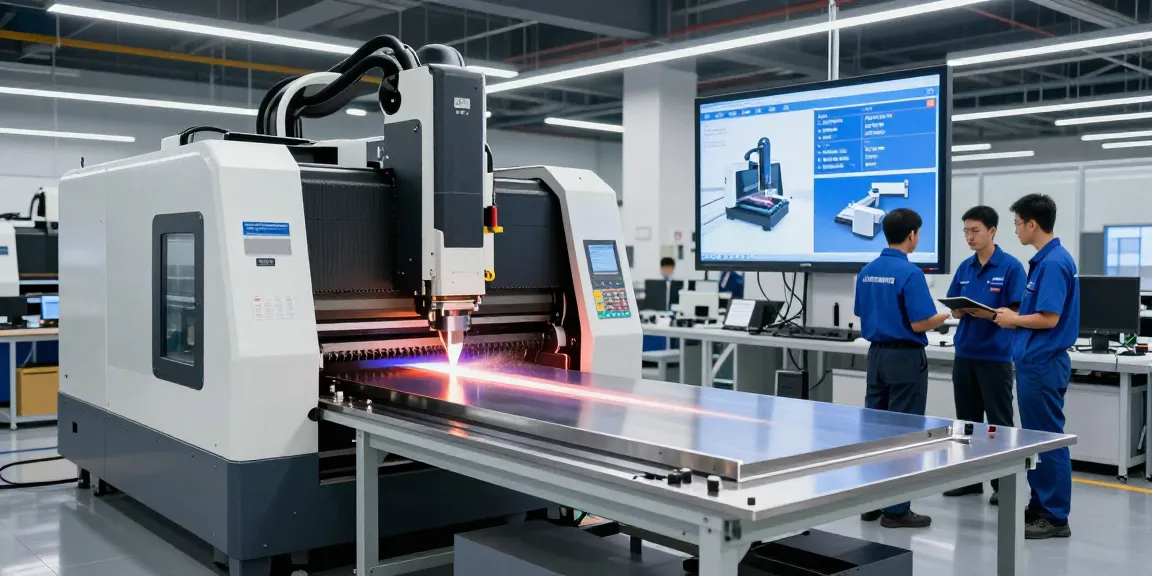
Introduction to CNC Press Brake Technology
The CNC press brake machine is a cornerstone of modern metal fabrication, providing precise control over the bending of various materials. With advancements in technology, CNC press brakes have evolved dramatically over the years, integrating sophisticated controls and automation systems that enhance efficiency, accuracy, and safety. This article explores the evolution, features, and innovations in CNC press brake technology, providing insights for manufacturers looking to invest in a cnc press brake machine for sale that meets their specific needs. From advanced control systems to the integration of robotics, we will delve into the critical factors that influence the selection and utilization of these machines.
Evolution of CNC Press Brake Machines
The progression from traditional mechanical press brakes to CNC (Computer Numerical Control) systems marks a significant leap in metalworking technology. Early machines required manual adjustment and operation, which often resulted in inconsistent results and higher labor costs. The introduction of CNC technology allowed for precise programmatic control of the bending processes, enabling manufacturers to achieve accuracy levels in the range of ±0.01mm.
Today’s CNC press brakes utilize servo motors and proportional valves to provide closed-loop control over the bending process. This evolution has allowed for real-time adjustments during operation, resulting in better performance and reduced cycle times. Key advancements include the development of user-friendly interfaces, improved software for programming bends, and real-time diagnostics that enhance machine uptime.
Key Features and Functional Improvements
Modern CNC press brakes come equipped with a variety of features that significantly improve functionality and usability. One major improvement is the integration of advanced control systems, such as the ESA S630 CNC controller, which can manage multiple axes of movement, typically configured in standard 4+1 or advanced 6+1 and 8+1 setups. This level of control allows for intricate bending operations that were not feasible with earlier machines.
Additional features such as mechanical table crowning and automatic back gauge adjustments further enhance usability. The back gauge, often driven by digital AC servo motors, ensures precision positioning during each bend. Safety features, including side protections and lockable rear doors, are also standard in most high-quality machines, ensuring operators are safeguarded during operation.
Market Demand for CNC Press Brake Machines
With increasing demands from industries such as automotive, aerospace, and heavy machinery manufacturing, the market for CNC press brake machines has grown significantly. Manufacturers are continually seeking ways to boost production efficiency and reduce operational costs, driving the demand for advanced CNC systems. The global emphasis on automation within production lines is also pushing manufacturers to invest in machines that enhance workflow and minimize manual labor.
Innovations in CNC Press Brake Systems
Advanced Control Systems and User Interfaces
The user interface of CNC machines has evolved alongside technological advancements. Modern CNC press brakes now feature color touch screens with intuitive programming capabilities. Operators can utilize both data and graphic programming options, simplifying the process of setting up bends and reducing the potential for errors. Advanced software integrations also allow for features such as collision detection during the programming phase, optimizing the bending process and further reducing potential downtime.
Automation and Robotics Integration
Automation has become a vital element of CNC technology, with robotic integration taking the forefront. The collaboration between CNC press brakes and robotic arms enables fully automated bending processes, allowing for higher throughput and reduced labor costs. Robotic systems can effectively handle material loading and unloading, freeing up operators to focus on more complex tasks. Consequently, manufacturers face lower overhead while achieving high production rates and flexibility.
Sustainability in CNC Manufacturing
Sustainability has become a significant concern, driving the development of energy-efficient CNC press brakes. Machines now incorporate features such as hybrid servo motor systems that reduce energy consumption while maintaining performance. Additionally, hydraulic systems are designed to minimize fluid leakage and enhance overall machine longevity, contributing to reduced environmental impact. These innovations align with the growing industry focus on sustainability, offering manufacturers both economic and ecological benefits.
Choosing the Right CNC Press Brake Machine
Factors to Consider When Buying
When investing in a CNC press brake machine, various factors must be taken into account. The first consideration typically revolves around the specific applications intended for the machine. Manufacturers should evaluate the type of materials being processed, thicknesses, the complexity of bends required, and expected production volumes. Additionally, the expected lifecycle costs, including maintenance and energy consumption, should also be assessed to validate the overall investment.
Comparing Different Models and Specifications
Not all CNC press brakes are created equal; therefore, comparing models and specifications is essential. Key specifications to review include the machine’s nominal pressure capacity, length of table, throat depth, and stroke attributes. Furthermore, options for customization such as additional axes and advanced safety features can also greatly enhance functionality based on specific operational requirements.
Understanding Price Range and Funding Options
The price of CNC press brake machines can vary widely based on features, build quality, and manufacturer reputation. Notably, the price range for high-quality models typically falls between $20,000 to $45,000. Evaluating funding options, including leasing versus purchasing, can also impact the financial decision-making process for potential buyers. Manufacturers may also explore grants or subsidized funding opportunities that support investments in advanced manufacturing technologies.
Applications of CNC Press Brake Machines
Industries Benefiting from CNC Press Brake Technology
CNC press brake technology finds applications across various industries, from heavy machinery to precision fabrication in aerospace. This versatility makes them indispensable in sectors where weight, strength, and precision are crucial. The automotive industry uses CNC bending for manufacturing parts such as frames and body components, while the aerospace sector relies on the machines for producing critical structure components through complex bending processes.
Innovative Use Cases in Metal Fabrication
Innovative uses of CNC press brakes are continually being discovered within metal fabrication. For instance, the use of CNC technology enables the fabrication of rapid prototypes, which allows manufacturers to effortlessly create parts for testing before committing to full-scale production. Additionally, CNC press brakes can process diverse materials, including aluminum, copper, and titanium, catering to specific industry needs while ensuring efficiency and quality.
Future Trends in Metal Bending Applications
Looking forward, we can expect further integration of artificial intelligence (AI) and machine learning (ML) algorithms in CNC press brakes. These technologies promise to enhance machine efficiency through predictive maintenance and adaptive bending processes that learn from previous operations. Moreover, augmented reality (AR) and virtual reality (VR) systems could assist in design and troubleshooting, ushering in a new era of smart manufacturing methodologies.
Conclusion and Future Outlook
Summarizing Technological Advancements
The advancements in CNC press brake technology have revolutionized the metal bending industry. With increased automation, enhanced controls, and robust safety features, modern CNC press brakes offer manufacturers unparalleled resources to improve production workflows. As technology continues to develop, it is essential for manufacturers to remain informed about innovative trends that can directly impact their operations.
Customer Testimonials and Success Stories
Customer feedback often highlights quality and efficiency improvements after integrating CNC press brakes into their operations. Many manufacturers report significantly reduced scrap rates, shorter setup times, and improved output quality, showcasing the benefits these machines bring. Case studies from industries adopting robotic integration illustrate the potential for heightened productivity levels, solidifying the value of CNC technology in today’s competitive marketplace.
How to Stay Updated on CNC Press Brake Innovations
To keep pace with ongoing innovations in CNC press brake technology, manufacturers should engage in industry conferences, subscribe to relevant publications, and participate in training programs focused on new technologies. Furthermore, establishing relationships with equipment suppliers can provide valuable insights into the latest advancements, ensuring that operations remain competitive and efficient.


