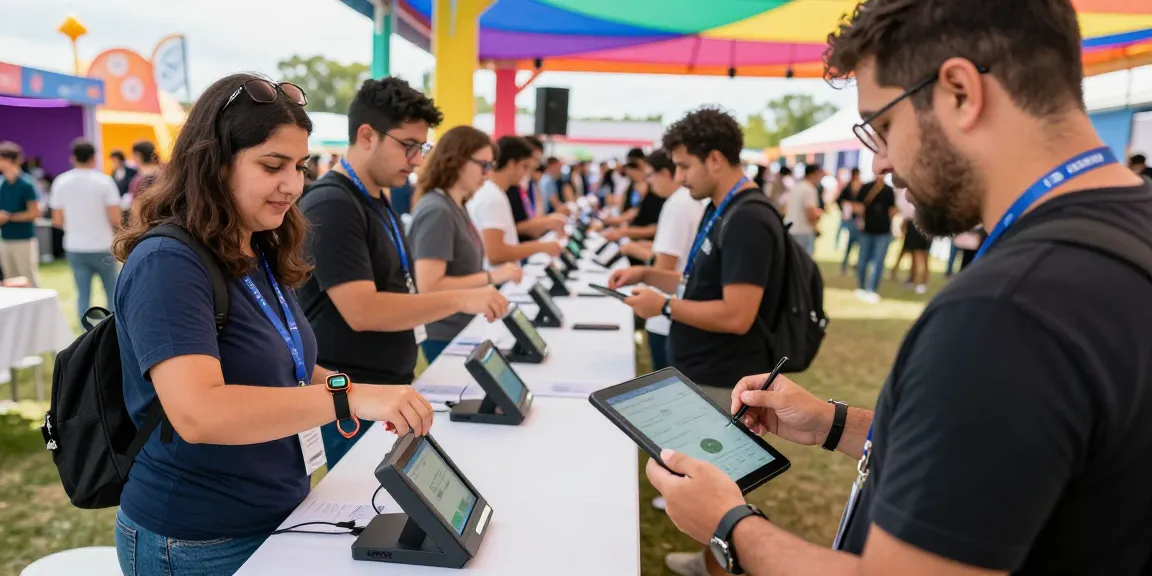
Understanding pago cashless en eventos
In the fast-evolving landscape of event management, the integration of cashless payment solutions has emerged as a pivotal advancement. As event organizers strive to enhance the attendee experience while optimizing operational efficiency, technology plays a crucial role. The transition to pago cashless en eventos is not merely a trend; it has become a necessity that influences how events are designed and executed.
What is Cashless Payment Technology?
Cashless payment technology refers to methods of transaction that do not involve physical currency. This includes credit cards, mobile wallets, and increasingly, NFC (Near Field Communication) solutions like smart wristbands. At events, this technology is utilized to streamline payments, thereby reducing waiting times and enhancing the overall guest experience.
Using NFC wristbands enables attendees to make payments quickly by tapping their wristbands at designated points of sale. This not only facilitates rapid transactions but also minimizes the risk of theft associated with carrying cash. As a result, organizers can ensure a smoother flow of attendees while maximizing revenue opportunities.
Benefits of NFC Wristbands for Event Access
NFC wristbands offer numerous advantages for event access control:
- Speedy Access: With the capability to process over 2,000 entries per hour, NFC technology eliminates long wait times.
- Enhanced Security: These wristbands are difficult to duplicate, providing a secure method for validating attendee identities.
- Real-Time Monitoring: Organizers can track attendance patterns and density, allowing for better crowd management.
Industry Trends for 2026 and Beyond
As we look ahead to 2026, several trends are set to shape the future of cashless payments in events. Firstly, the widespread adoption of mobile payment apps and digital wallets is expected to rise. With more attendees becoming accustomed to these technologies, offering diverse cashless options could become a standard expectation.
Another key trend will be the increased focus on data analytics. Using insights gathered from cashless transactions, organizers can better understand attendee behavior, preferences, and spending habits. This data will be invaluable in crafting future events that cater to specific audience needs.
Implementing Cashless Solutions Effectively
Choosing the Right Infrastructure for Your Event
The success of cashless solutions hinges on selecting the right infrastructure. It’s essential to partner with a reliable technology provider that can offer a robust backend system for managing transactions and access control. Consider factors such as scalability, ease of integration with existing event management systems, and support services.
Setting Up Real-Time Monitoring Systems
Incorporating real-time monitoring capabilities allows organizers to track guest flow and identify bottlenecks instantly. A centralized cloud panel can serve as a command center, providing organizers with critical insights into attendance patterns and enabling them to adapt to changing circumstances on the fly.
Best Practices for Streamlining Access Control
To maximize efficiency, event planners should establish clear access points and ensure that staff are trained to operate the technology seamlessly. Implementing multiple entry lanes equipped with NFC readers can help manage crowds effectively, providing a positive experience for attendees right from the start.
Maximizing Attendee Experience
Engaging Attendees with Innovative Payment Methods
Event organizers are encouraged to think creatively about payment options. Beyond simple transaction functionality, engaging interfaces can turn payments into an interactive experience. For instance, allowing attendees to customize their wristbands with personal data can enhance their sense of ownership and connection to the event.
Enhancing Event Logistics with Technology
Technology can do more than just facilitate payments; it can streamline overall event logistics. By integrating scheduling, resource allocation, and attendance tracking into one cohesive system, organizers can mitigate unexpected challenges, ensuring a seamless and enjoyable experience for all.
Collecting and Analyzing Attendee Data
The enhanced data collection capabilities of cashless payment systems offer an unprecedented opportunity for analyzing attendee behavior. Collecting data on spending patterns and preferences allows organizers to tailor future offerings and marketing strategies, leading to increased satisfaction and loyalty.
Success Stories from Major Events
Case Study: SoundWave Festival
The SoundWave Festival implemented NFC wristbands as part of their access control and payment processing systems. According to Marcos Torné, the festival’s director, the transition was seamless; they managed to accommodate 40,000 guests without significant waiting times at entry points. This case highlights the substantial advantages of adopting cashless technologies for large-scale events.
Case Study: TechCon Global Insights
At TechCon, operations manager Elena Rodríguez remarked on the efficiency gains achieved through the use of cashless payment systems. The event saw dramatic improvements in transaction speed, with sales data becoming available almost instantaneously after the event’s conclusion. This shift not only saved time but also enhanced decision-making processes for future events.
Lessons Learned from Large-Scale Implementations
Both SoundWave and TechCon’s experiences illustrate the importance of thorough planning and testing when implementing cashless systems. Organizers must account for various scenarios and prepare for potential hiccups, ensuring that staff is adequately trained and ready to assist attendees.
Future of Event Management with Cashless Technologies
Emerging Technologies Shaping the Industry
As technology continues to advance, we can expect even more sophisticated innovations in the cashless payment space. Augmented reality (AR) and virtual reality (VR) may soon integrate with cashless systems to heighten attendee engagement further. Imagine a reality where guests can interact with digital elements that enhance their experience while conveniently making payments.
Predictions for Attendee Interaction in 2026
Attendees will increasingly seek personalized experiences, and cashless systems will be pivotal in facilitating this demand. Future events may feature tailored interactions based on attendee preferences, driven by data analytics from cashless transactions. This could revolutionize how sponsors engage with participants, creating more meaningful connections.
Preparing for the Next Generation of Events
Organizers should prepare for the shift towards a more interconnected event ecosystem. As technology progresses, integrating various systems into a cohesive unit will streamline operations and enhance the attendee experience. A holistic approach that encompasses everything from ticket sales to on-site experiences will become the norm.
What are the advantages of using a cashless system in events?
Utilizing a cashless system significantly enhances efficiency, reduces transaction times, and minimizes risks associated with cash handling. Additionally, it provides invaluable data that can be used to assess attendee behavior and preferences.
How does NFC technology improve guest experiences?
NFC technology simplifies the transaction process. Attendees can make payments quickly and securely, thereby reducing queues and improving their overall experience. Furthermore, the use of personalized wristbands enhances attendee engagement and loyalty.
Are cashless payments secure for large-scale events?
Yes, cashless payments can be very secure, particularly when utilizing advanced encryption methods and secure servers to process transactions. These systems are designed to protect against theft and fraud, providing both attendees and organizers with peace of mind.
What are common challenges in transitioning to cashless?
Some common challenges include resistance from attendees accustomed to cash, potential technical glitches, and the need for thorough staff training. Addressing these issues during the planning phase can mitigate risks and lead to a successful transition.
How can organizers measure the success of cashless payments?
Success can be measured through sales data, attendee feedback, and operational efficiency metrics such as transaction speed and wait times. Analyzing these factors post-event will help organizers refine their strategies for future events.