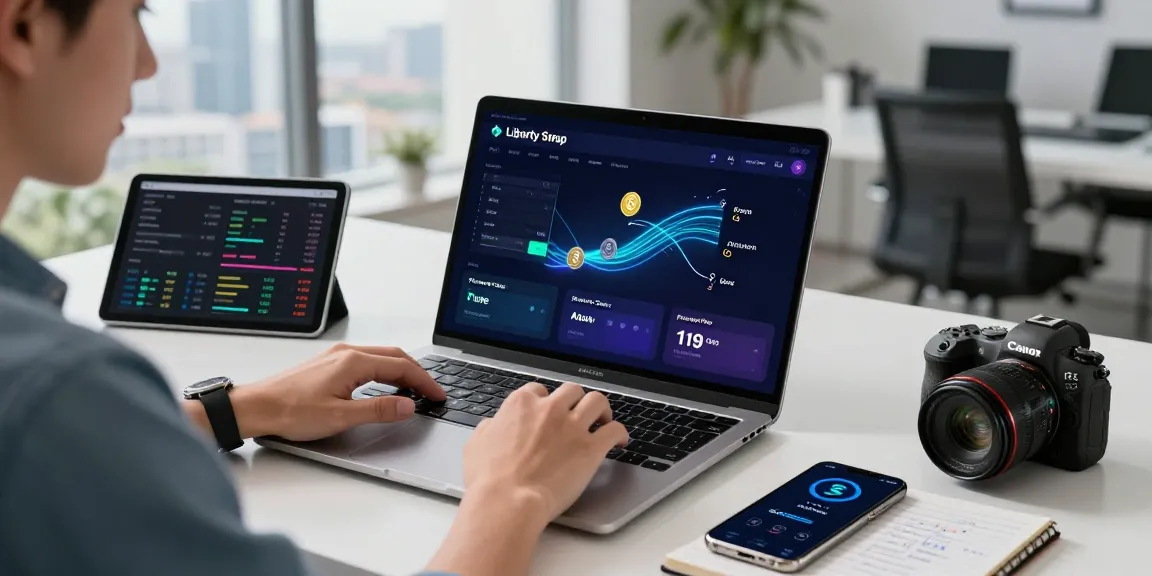
Understanding CME Exchange Futures Data Feed
The CME (Chicago Mercantile Exchange) exchange futures data feed is a vital asset for traders and analysts who operate within the dynamic world of futures trading. This data feed provides a comprehensive overview of market activities, including real-time quotes, order book depth, and trading volume, essential for making informed trading decisions. As trading environments evolve and the need for real-time insights increases, access to accurate and timely futures data has become crucial for developers, financial institutions, and market participants. When exploring options, CME exchange futures data feed offers comprehensive insights that cater to these needs.
What is CME Exchange Futures Data Feed?
The CME Exchange Futures Data Feed is a robust data service that provides users with detailed and up-to-date information on various futures contracts traded on the CME platform. This data feed encompasses multiple aspects of market activity, including live price quotes, market depth, historical data, volume metrics, and more. By leveraging this data, traders and financial analysts can gain a clearer understanding of market trends and make informed trading decisions.
Key Features of the CME Exchange Futures Data Feed
- Real-Time Quotes: Provides live updates on price movements for a wide array of futures contracts.
- Market Depth: Offers insights into order book liquidity through Level 2 data, showing bids and asks at different price levels.
- Volume and Open Interest: Tracks the number of contracts traded and the total number of open positions, which are indicators of market activity.
- Tick-by-Tick Data: Captures every market movement, allowing for granular analysis of price changes.
- Comprehensive Coverage: Encompasses various sectors, including energy, agriculture, and metals, catering to diverse trading strategies.
- Millisecond Latency: Ensures that data is transmitted with minimal delay, which is critical for high-frequency trading environments.
Industries Benefiting from Futures Data
Several industries rely heavily on the CME Exchange Futures Data Feed to maintain competitive advantages and support their operational strategies. Key sectors include:
- Financial Services: Banks and trading firms utilize this data for algorithmic trading and market analysis.
- Hedge Funds: Employ data feeds to refine trading strategies based on real-time market movements.
- Commodity Traders: Use futures data to hedge risks associated with price volatility in various commodities.
- Research Institutions: Leverage historical and real-time data for academic and professional research projects.
Setting Up for Enhanced Data Access
Requirements for Accessing CME Futures Data
To access the CME futures data feed, users typically need to meet certain technical requirements. This may include having a reliable internet connection, compatible software for data analysis, and, in some cases, required permissions from the CME Group.
Integrating the Data Feed into Trading Platforms
Integration of the CME futures data feed into your trading platform can significantly enhance trading capabilities. This involves connecting to the API provided by the CME, which typically requires API keys for authentication. Developers should ensure that their trading software can effectively handle the incoming data and present it to users in a comprehensible format.
Best Practices for Initial Configuration
When configuring access to the CME data feed, it’s crucial to establish settings that optimize performance and ensure data accuracy. Here are some best practices:
- Configure your API connections to handle failovers and maintain service reliability.
- Utilize caching mechanisms to reduce latency and improve data retrieval speeds.
- Regularly update your data processing algorithms to incorporate the latest market insights.
Utilizing Real-Time Data for Decision Making
Analyzing Market Depth and Quotes
Understanding market depth and live quotes allows traders to gauge the liquidity and buy/sell pressure on various assets. Analyzing this data can provide insights into potential price movements and trading opportunities.
Understanding Volume and Open Interest
Volume and open interest are critical metrics in futures trading. Volume indicates the total number of contracts traded for a specific asset, while open interest shows the number of active contracts. Monitoring these indicators helps traders understand market sentiment and make predictions about future price movements.
Real-Time Strategies for Active Traders
Active traders often rely on real-time data to execute trades quickly and capitalize on market fluctuations. Strategies such as scalping and momentum trading depend on precise and timely information, underscoring the importance of a reliable data feed.
Advanced Techniques for Data Analysis
Leveraging Tick-by-Tick Data for Insight
Tick-by-tick data allows traders to analyze price movements in real-time. This granular level of data can provide insights into short-term trading opportunities, as traders can see how prices react to market news and events.
Using Historical Data for Predictive Analytics
Utilizing historical data is essential for predictive analytics. By examining past price movements and trading volumes, traders can develop models that forecast future trends. Integrating this historical perspective with real-time data enhances decision-making capabilities.
Case Studies: Successful Applications of CME Data
Numerous trading firms have successfully implemented CME futures data to optimize their trading strategies. For instance, a prominent hedge fund used historical and real-time data to identify arbitrage opportunities in the commodities market, resulting in a significant increase in profitability. Such case studies highlight the importance of data-driven decision-making in trading environments.
The Future of Futures Data in Trading
Emerging Trends in Futures Markets for 2026
As we look towards 2026, several trends are emerging within the futures markets. These include the growing adoption of artificial intelligence (AI) in trading algorithms and increased demand for sustainable investing, which affects commodities trading practices.
Technological Innovations Impacting Data Accessibility
Technological advancements are continually reshaping the landscape of futures trading. Innovations such as cloud computing and improved data analytics tools are making it easier for traders to access and interpret large datasets.
Preparing for Changes in Market Dynamics
Traders and financial institutions must be nimble and ready to adapt to shifting market dynamics. This means being aware of geopolitical developments, regulatory changes, and economic indicators that could impact futures trading.
What Challenges May Arise?
Some challenges traders might face include increased competition, cybersecurity threats, and data overload. It is essential for firms to develop strategies to mitigate these challenges while leveraging data for competitive advantage.
How Can Traders Adapt to Market Shifts?
Adapting to market shifts involves continuous education and employing flexible trading strategies. Traders should also consider utilizing predictive analytics to stay ahead of market trends and demand cycles.